English| USD
Suggested for you
More currencies
Choose a language
Canyoning is the technical descent of a river gorge using a combination of hiking, climbing, swimming, rappelling, and jumping. The Cetina canyon in Croatia's Dalmatian Hinterland offers one of Europe's most accessible introductions to the sport, with limestone karst walls, natural pools, and sections navigable by first-timers under professional guidance.
Quick answer
Canyoning—also called canyoneering in North America—is the sport of traveling down river gorges by foot, rappel, swim, and sometimes controlled jumps or slides. Routes follow the natural flow of water through narrow rock channels. Participants wear wetsuits, helmets, and harnesses, moving through terrain that cannot be hiked around. Guided descents in the Cetina canyon typically last three to four hours and require no prior climbing experience, though basic swimming ability and moderate fitness are expected.
The Cetina River has carved a 105-kilometer corridor through the Dinaric karst, creating a canyon system that ranges from 150 to 200 meters deep in its central section near Zadvarje. Canyoning exploits this vertical geography: instead of walking beside the river, participants follow it through the gorge itself, navigating obstacles the water has shaped over millennia. The descent method depends on the obstacle. Waterfalls require rappelling—descending a rope in a seated harness position while water flows over or beside you. Natural pools are crossed by swimming, often in opaque water where depth is estimated, not seen. Boulder chokes and narrow channels demand scrambling and stemming, pressing hands and feet against opposing walls to stay above the current. Sections of calm water between obstacles allow rest and forward progress on foot. Wetsuits provide thermal protection; karst spring water in the Cetina averages 8–12°C even in summer, and immersion time on a full descent can exceed two hours. Helmets protect against rock contact in tight passages and during water entries. The Cetina canyon contains both natural and modified obstacles. Most commercial routes start below the Gubavica waterfall and follow a section where flow is controlled by upstream hydroelectric releases, ensuring predictable water levels. Anchors for rappel ropes are drilled into the canyon walls at intervals; these are maintained by guide operators and replaced when inspection reveals wear. The canyon's geological structure—horizontal limestone bedding interrupted by vertical fractures—creates natural slots and overhangs that shape the route. Guide companies in Zadvarje operate daily between April and October, with morning departures preferred to avoid afternoon heat in the lower canyon sections. The Cetina is classified as a beginner to intermediate canyon in European grading systems. The highest rappel on standard commercial routes measures roughly 20 meters; other descents are shorter. Jump sections are optional—guides identify walk-around paths for anyone declining to enter the water from height. Physical demand is moderate: the descent involves three to four hours of continuous movement, with upper-body effort required during rappels and leg strength needed for scrambling over wet rock. No prior rope skills are required; guides attach participants to fixed lines and control descent speed from below.
“The descent method depends on the obstacle: waterfalls require rappelling, pools demand swimming, and narrow channels are navigated by stemming against opposing walls.”
Canyoning is a technical adventure sport that involves navigating through river canyons by utilizing a combination of swimming, jumping, sliding, and rappelling. In the Dalmatian Hinterland, the Cetina River provides a unique geological setting for these activities.
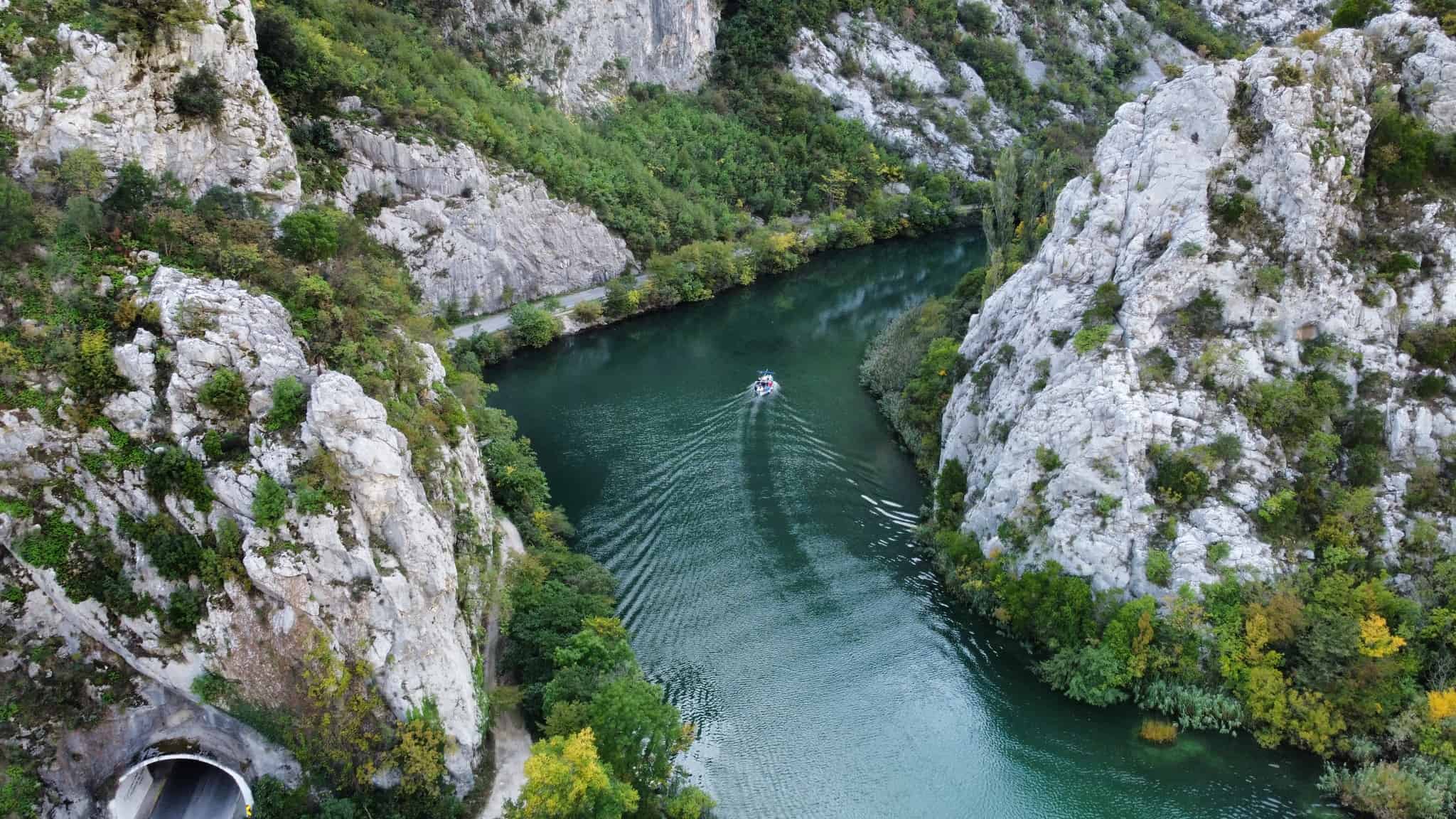
The Cetina River canyon is carved into limestone rock, with depths reaching up to 100 meters in certain sections near Zadvarje. This geological formation creates the narrow, vertical channels required for canyoning navigation.
The river features the Velika Gubavica waterfall, which stands approximately 50 meters tall. It is one of the most prominent landmarks within the canyon system.
The Cetina River flows for 101 kilometers from its source at Cetina village to the Adriatic Sea at Omiš. Its diverse topography supports varied water flow speeds across different seasons.
Canyoning in this region relies on the natural movement of the river through restricted passages. Participants traverse the riverbed, often moving between calm pools and swifter currents created by the narrowing gorge.
The canyon was formed by the Cetina River cutting through the Dinaric Karst landscape over millions of years. This process resulted in the distinct rock shapes and smooth surfaces often encountered during passage.
The village of Zadvarje, located at 21254, serves as a primary access point for canyoning activities in the upper Cetina region. This area provides the necessary terrain for both beginner and intermediate navigation routes.
The best arrival window for canyoning in the Cetina river canyon is 08:00–10:00. Arriving early avoids peak afternoon heat and maximizes time before potential afternoon weather shifts.
Water levels high, temps 15-20°C
Ideal for adrenaline enthusiasts seeking stronger river flow.
Hot, dry, temps 25-35°C
Requires early morning starts to avoid peak heat and high visitor numbers.
Cooler, stable, temps 18-24°C
Excellent for those preferring moderate temperatures and calm river conditions.
Verdict: The optimal time to visit is during the early morning window of 08:00–10:00, particularly in the months of May or September.
Access to the Cetina canyon is available at no cost. Commercial fees apply exclusively to guided tour packages that provide necessary equipment and safety personnel.
Verdict: The entry fee is 0 EUR, while total costs fluctuate based on the specific commercial guided tour package selected.
The primary logistical hub for accessing the Cetina Canyon is located in the village of Zadvarje, 21254, Croatia. The most efficient way to reach this location is by private vehicle, as it offers direct access to the interior of the Dalmatian Hinterland.
A1 motorway to the Zagvozd exit, then follow local signs to Zadvarje
Regional bus line from Omiš or Makarska to Zadvarje stop
Private transfer services from Split or Omiš directly to Zadvarje
Plan to arrive between 08:00–10:00 to navigate the local roads before the peak afternoon heat. Parking is available in designated areas near the village center, which serves as the base for all canyoning activities.
Canyoning in the Cetina requires specific gear and preparation to handle water, rock, and variable conditions safely.
Everything you need to know about what is canyoning
Canyoning is an outdoor activity that involves traversing a river canyon by hiking, swimming, jumping into pools, and rappelling down cliffs. In the Dalmatian Hinterland, this pursuit utilizes the unique limestone landscape carved by the Cetina River. Understanding what is canyoning helps visitors prepare for this rugged immersion in nature. It remains one of the most popular ways to experience the karst topography of the region.